
Get analysis, insight & opinions from the world's top marketers.
Sign up to our newsletter.

In this episode of the Better Marketing Podcast, Nicola Mendelsohn, Meta's Head of Global Business Group, shares insights on how Meta is transforming from a teenage platform to a mature business partner for advertisers with innovative tools, AI implementation and a renewed focus on effectiveness.

What makes a brand truly meaningful in people's lives? In this captivating conversation with Dr Marcus Collins - professor, agency strategist, and cultural marketing expert - we explore how the most powerful brands transcend their product categories to become vessels of meaning in culture.

In this episode of WFA's Better Marketing Podcast in partnership with Meta, David Wheldon speaks with Dr Frederique Covington Corbett, who is in the private sector division of Unicef as Chief of Global Brand & Marketing. David and Frederique discuss the biggest mistake marketers make, whether Gen Alpha is getting the leadership they need, why CEOs need to become Chief Energy Officers, the hushing trend sweeping across companies and what Chief Marketing Officers may be surprised about when it comes to standing out in judging for the Effie Awards.

In the first of a new series, WFA chats to the global marketing lead for Zespri to explore his marketing journey from boyhood to his current ambitions for New Zealand’s kiwi exporting behemoth.

In this episode of WFA's Better Marketing Podcast, David Wheldon speaks to marketing guru, Mark Ritson, and his AI-generated alter ego, the Ritbot.

WFA and The Drum have teamed up to ask marketing leaders about some of the key challenges our profession faces.

More than half of companies plan to review contracts with media and creative agencies. WFA releases practical guidance for GenAI contracts.

Something is happening in our industry that is deeply worrying. Many companies are taking a step back from their public positions on DEI and sustainability.

WFA research finds 88% of large corporates have a Responsible Marketing Framework but they rarely cover all priority areas; marketing and children, influencer marketing, data ethics, diversity and inclusion, responsible media and environmental sustainability.
While 87% say they are increasingly critical, only 47% link their frameworks to ESG goals.

Our industry can still be the place where the best people do their best work, says Will Gilroy, WFA Director of Policy and Communications.

WFA podcast host, David Wheldon, speaks with Susan Akkad, Senior Vice President, Local and Cultural Platforms, Corporate Innovation at The Estée Lauder Companies, about the importance for brands to listen and cater to diverse audiences to stay relevant.

WFA podcast host, David Wheldon, speaks with David Droga, CEO and Creative Chairman of Accenture Song, about his journey from the mailroom in Australia to the highest seat in Accenture's creative powerhouse – and where the agency’s name comes from.
WFA podcast host, David Wheldon, speaks with Rupen Desai, Global Chief Marketing Officer at Dole Sunshine Company, about brands rising up to the climate challenge, talent and the 'great reawakening' and his leadership role in APAC.
WFA podcast host, David Wheldon, speaks with Matt Brittin, EMEA President at Google, about about brand safety, more inclusive advertising and how to address the climate emergency.
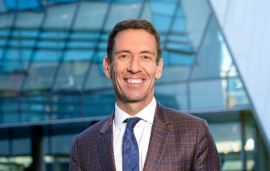
WFA podcast host, David Wheldon, speaks with Professor Byron Sharp, Director of the Ehrenberg-Bass Institute and author of How Brands Grow, about brand loyalty, double jeopardy, and consumer experience and satisfaction.

WFA has developed an overview of the business case for the Metaverse and the things policy leads will need to think about when advertising in the Metaverse.

Fast food brand Chipotle makes claims about the environmental impact of its ingredients, how much food waste is diverted from landfill and how staff waste such as gloves are managed. Are such claims justified?
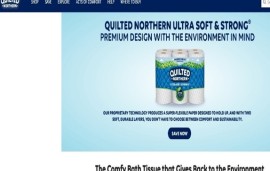
Bathroom tissue brand Quilted Northern makes claims on its website and on packaging about its practice of planting trees to replace those used to make its products. Were these claims credible?
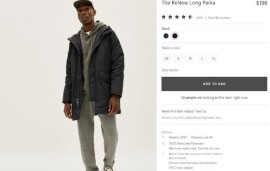
Fashion brand Everlane was making claims about the recycled content in its clothes and the fact that dyes used were “safer for the environment”. The US regulator had to decide if they were credible.

Even the brand name of CalciTrio Naturell food supplement came under scrutiny when Hungary’s regulator looked at its TV and print messages. The results are here.
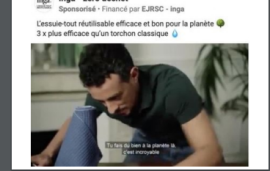
Inga’s social media ads for its reusable paper towel products included a claim that it is a “zero waste” solution and "really good for the planet". Did the regulator believe it?
