Get analysis, insight & opinions from the world's top marketers.
Sign up to our newsletter.
What was once an experimental channel has become an essential part of today’s marketing landscape. Brenna Brandes, Global Marketing Services Manager, explains.
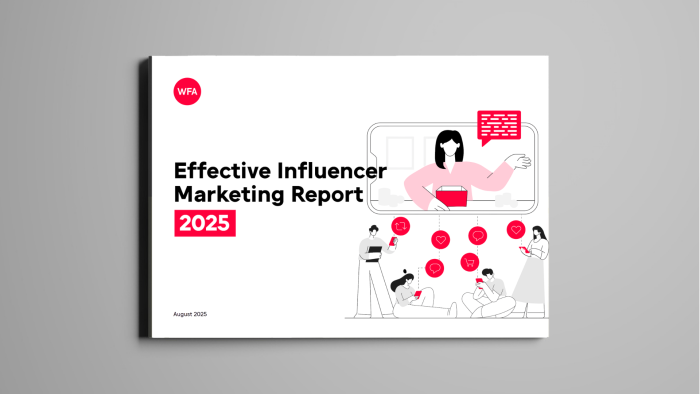
Nearly every single multinational now uses influencers. Ninety-nine percent of WFA members ticked ‘yes' in our recent survey, with 66% employing them frequently across a range of markets.
The WFA’s Effective Influencer Marketing Report 2025 reveals that total global spend on creator partnerships is expected to reach more than $39bn in 2025, with six in 10 multinational brands now having dedicated influencer marketing budgets (up from 37% in 2019).
But this is just the beginning of the journey for many. Six out of 10 (61%) multinational marketers also believe influencer marketing will become more important in the future. While average budget allocation has already reached 8.35% of total advertising spend, 54% expect to see budget increases in the next 12 months, with average growth projected at 23%.
The channel has moved beyond chasing followers or short-term buzz. It has become a critical driver of cultural presence, brand trust and business growth. WFA has been tracking this channel since 2017 and this is the sixth iteration of our research, marking a stunning transformation from experimental to essential marketing discipline.
Channel selection has evolved over that time too according to our research and while Instagram has remained dominant at 94%, TikTok has experienced explosive growth and is now used by 61% (up from just 10% in 2019). By contrast: YouTube has declined from 78% (2021) to 62% (2025), while other platforms (Facebook, Snapchat, X) have dropped significantly from 54% (2017) to 26% (2025). Blogs have virtually disappeared as an influencer channel, falling to just 3%.
But with growth comes greater responsibility. In April this year WFA released a report in partnership with the International Council for Advertising Self-Regulation and the UK's Advertising Standards Authority which provides practical steps that help brands take the voluntary actions required to maintain high ethical standards to reflect the increasing propensity and professionalism of the channel.
There are still challenges in assessing return on investment. ROI measurement and tracking performance now dominate concerns at 63% each, for example. While reach and engagement remain primary KPIs at 94% and 89% respectively and only 23% use conversions/sales as success metrics. This split perhaps reflects the fact that brand awareness remains the top priority at 89%, with sales conversion goals remain modest at 32%.
Many brands have adapted their approach and now looking to long-term partnerships to create stronger relationships. While 82% of multinationals still use campaign-based models (down from 94% in 2017), 40% now engage influencers long-term. Thirty-eight percent work with influencers on an "always-on" basis and extended partnerships have grown from 29% (2020) to 40% (2025).
Marketing departments are also taking greater control and now lead influencer efforts in 54% of organizations but there has been stunning growth for specialists. Seventy nine percent of brands using external partners now work with specialist influencer agencies (up from 44% in 2019). In-house management has modestly increased from 5% (2021) to 13% (2025).
There has also been a rise in contractual professionalisation. Seventy percent of brands always sign contracts with influencers and 66% now have formal influencer policies (up from 59% in 2019). Nine out of 10 ensure proper partnership disclosure (improved from 59% in 2021) and 42% have compliance monitoring solutions in place.
Many brands have adapted their selection criteria and look at factors beyond follower count, including influencers that already use a brand’s products and whose values align with the brand as they search for more organic and natural partnerships that can more effectively drive long term growth.
The growth of influencer budgets has been spectacular and brands scale of the channel demands greater professionalism. What our 2025 report reveals is that WFA members are taking clear actions to ensure that influencers add to their brands rather than creating reputational risk.

For more information or questions, please contact Robert Dreblow at r.dreblow@wfanet.org
NIVEA's Global VP, Tobias Collée, shares on the importance of humanity and cultural respect, as part of the Candid CMO series.